What is ARM?
Anorectal manometry is a diagnostic test used to evaluate the function of your anal & rectal muscles, or “anorectal sphincter”. These muscles control how stool is released fromthe body, & play a pivotal role in maintaining resting continence .
Uses
ARM is used to evaluate the root cause of symptoms such as:
- Chronic constipation
- Laxative dependence
- Fecal incontinence, leakage or smearing
- Anorectal pain
- Difficulty having a bowel movement
- Childhood constipation
Procdeure
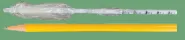
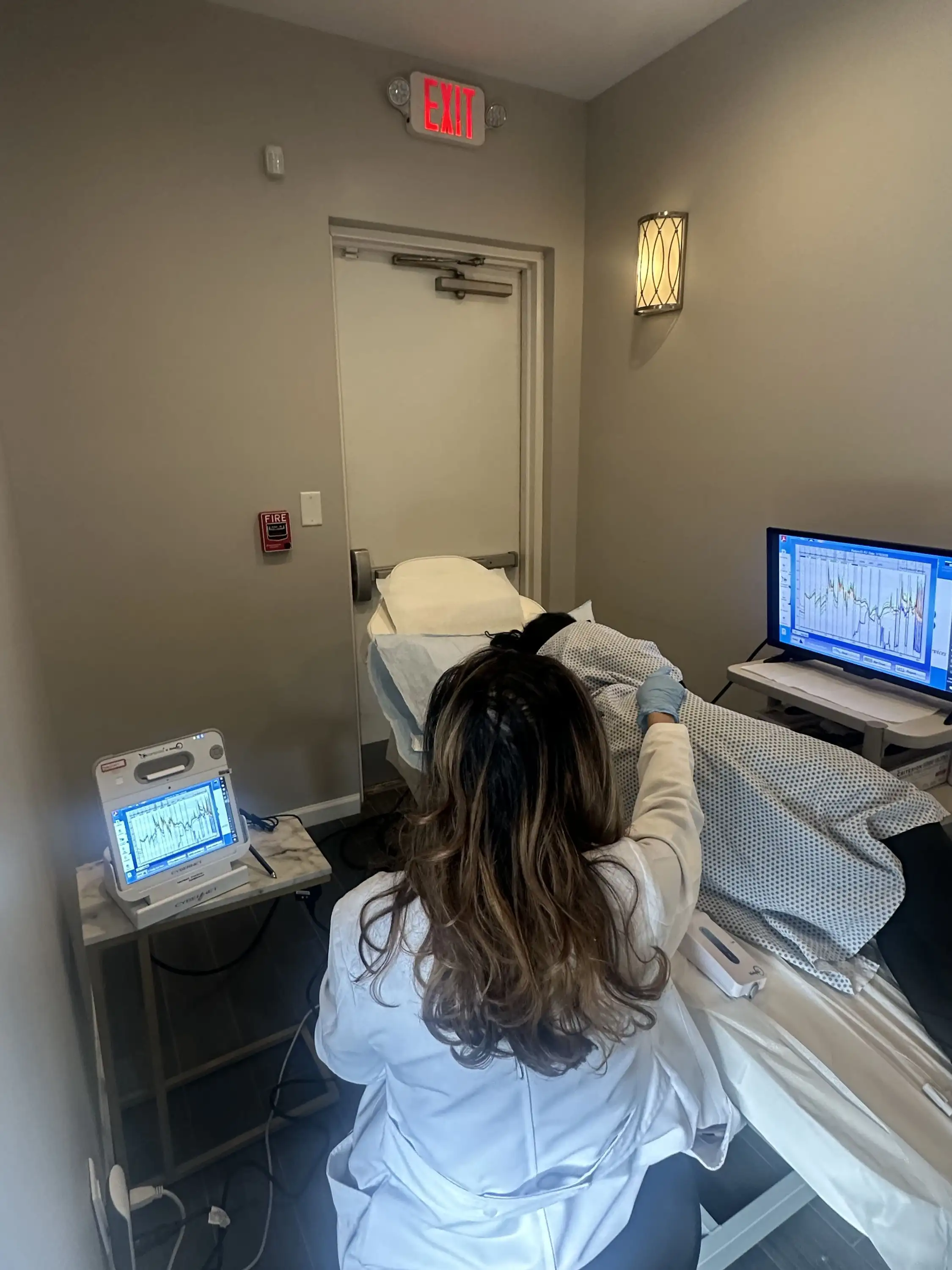
- A small, flexible catheter about the size of a thermometer, with two small balloons attached to the end, is used to measure pressures in the anorectal sphincter, sensation in the rectum, &normal reflexes required to have a bowel movement
- We like to tell our patients it’s like an EKG of their bottom!
- Through this information, providers are better be able to understand the root cause of patient symptoms & design a treatment plan specific to individual needs
Prep
Prep is simple and nothing like colonoscopy prep. Just 1-2 Fleet® enemas 2 hours before your study & limited food consumption during that same time
Duration & Recovery
- 15-minute procedure, no sedation or driver required
- Patients can resume their normal activities & diet immediately following
Results & Risks
- Helps pinpoint symptom causes & target management approaches
- Depending on study findings, Biofeedback Therapy may be recommended.
- Safe, low-risk procedure
- Offers high caliber information to help guide management
- All catheters used at our facility are latex-free
Biofeedback Therapy
What is it?
A first-line treatment for chronic constipation due to disordered defecation & fecal incontinence. Retrains pelvic floor muscles using visual cues &targeted exercises.
How does it work?
- A thin, flexible catheter measures muscle activity while a TV monitor provides real-time feedback to the patient.
- Exercise helps restore muscle coordination, reduce laxative dependence, & improve bowel control.
Is it effective?
Half of people who seek treatment for chronic constipation are found to have dyssynergic defecation.
- With dyssynergic defecation the puborectalis muscle & internal & external anal sphincters fail to contract & relax in a coordinated fashion, resulting in symptoms of constipation or difficulty having a bowel movement.
- Literature supports Biofeedback Therapy as an effective option to improve patient symptoms & quality of life & minimize medication dependence.
- Simply treating symptoms with long-term laxative therapy will not address the root cause: Retraining your anorectal muscles to work properly will!
Sessions & Prep
- The biofeedback system used at our center offers patients an option to retrain their pelvic floor muscles without the need for more invasive treatments
- Measuring instruments, a balloon catheter, & TV monitor are used to provide patients with an awareness of the functions of their body
- The sessions are relatively painless & convenient & have the potential to provide a long-term solution to frustrating symptoms & medication reliance
- 4-6 sessions are typically required
Pain & Coverage
- Little or no pain
- Covered by most insurance plans
- ARM testing is required prior to personalized treatment